
As we step into a new year, I find myself less interested in predictions and more committed to reflection. Not the kind that romanticizes struggle or rushes past hard truths, but the kind that pauses long enough to ask: What did we actually learn? What did this year reveal about leadership, people, systems, and ourselves that we cannot afford to forget?
What we have learned is that resilience is no longer a soft skill, it is a core business capability. Organizations, leaders, and communities that endured this past year did so not because conditions were favorable, but because they learned how to adapt without abandoning their values. We learned that culture does not disappear under pressure; it either strengthens or exposes itself.
And in many cases, culture got louder, more visible, more intentional, more grounded in purpose precisely because the environment demanded clarity.
We also learned that inclusion, belonging, opportunity, and access are not trends to be managed; they are systems to be built. While public narratives suggested retreat, what we observed through our research, conversations, and benchmarking was something more complex and more honest.
Organizations did not abandon the work. They reframed it. They moved it closer to operations, leadership accountability, talent strategy, and performance outcomes. The language shifted in some regions, but the intent remained. In others, especially globally, the commitment deepened.
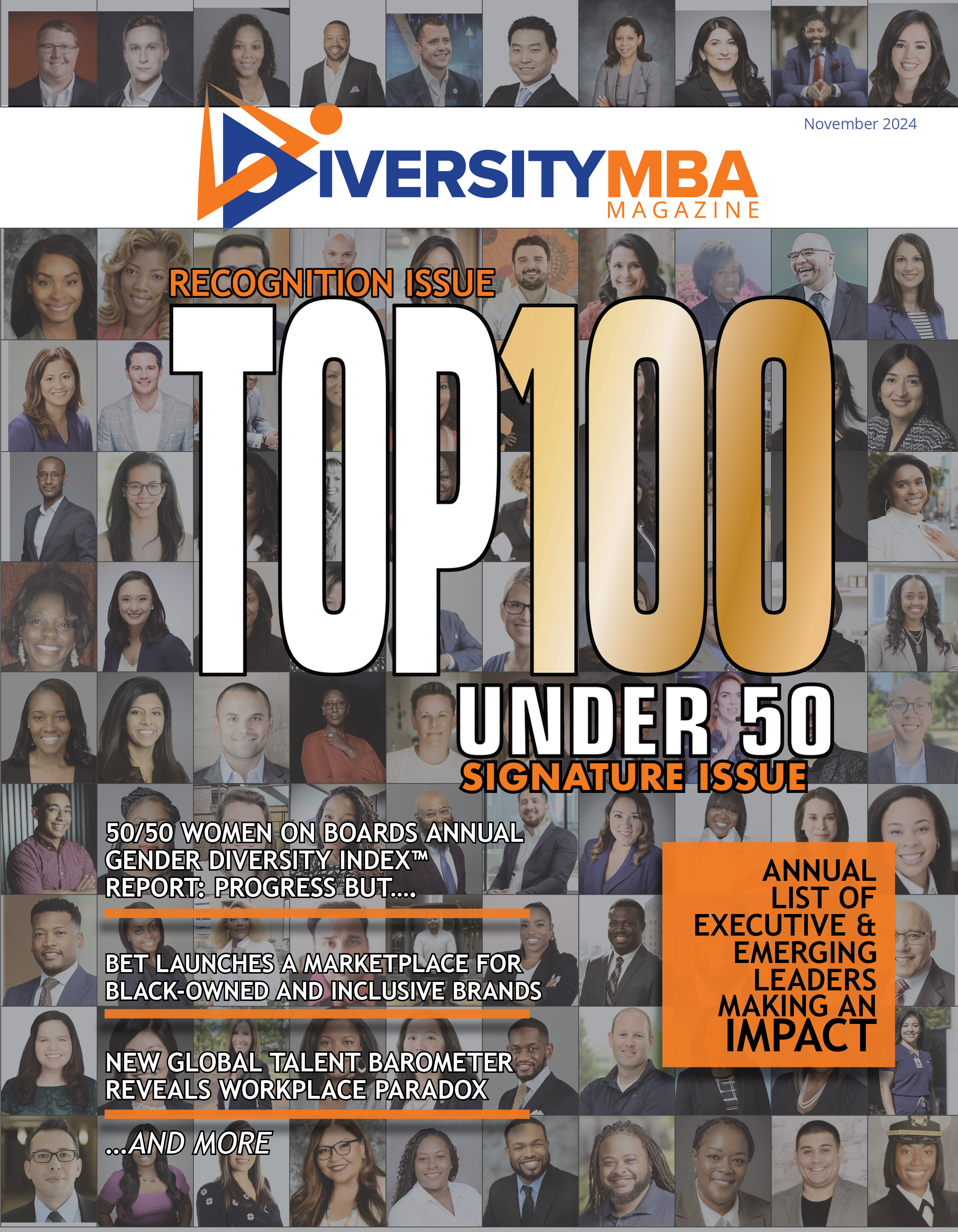
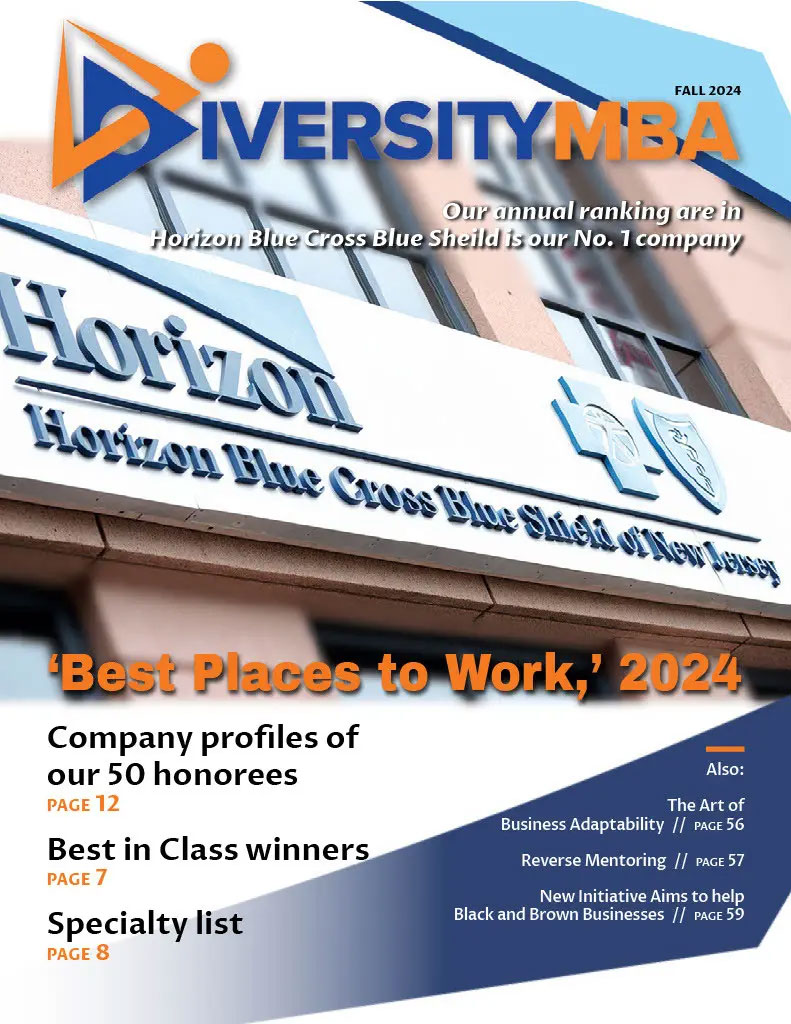
This year also marked a moment of intentional evolution for us. We leaned into what we have learned by introducing our new brand, PROMENA: Set The Standard—a reflection of where the work is going and the level of rigor, accountability, and integration the market now requires. In doing so, we are not leaving behind our foundation as Diversity MBA. We are building on it by expanding the levers, sharpening the tools, and elevating the standard while remaining grounded in the principles that shaped our work from the beginning.
What we have learned is that leadership today requires holding tension, not choosing between performance and people, but understanding that one does not exist without the other. The most effective leaders were not the loudest or most reactive. They were the ones who could sit with uncertainty, communicate transparently, and make decisions rooted in long-term sustainability rather than short-term comfort. Leadership presence, in this era, is less about command and more about credibility.
We learned that data matters, but context matters more. Metrics without meaning create false confidence. Stories without substance create noise. The organizations making real progress are those that learned how to integrate data with lived experience, quantitative insight with qualitative truth. They asked better questions. They resisted the urge to oversimplify. They recognized that people are not segments or statistics, but whole human beings navigating complex realities.
We also learned that the workforce is not asking for perfection. They are asking for honesty. Trust was built or broken – not by grand statements, but by everyday actions: how decisions were explained, how change was managed, how leaders showed up when answers were incomplete. Employees noticed who stayed engaged, who listened, and who disappeared when things got hard.
On a personal level, many of us learned the cost of carrying too much alone. The past year reminded us that strength does not come from endurance without rest, or ambition without alignment. For leaders especially, the myth of constant capacity finally began to crack. Burnout is not a personal failure; it is a signal, one that asks us to rethink how we define success, productivity, and worth.
We learned that community still matters more than ever. In moments of disruption, people leaned into connection: learning together, sharing stories, celebrating milestones, and creating space for recognition even when conditions were imperfect. Recognition, we learned, is not a luxury. It is fuel. It affirms effort, reinforces values, and reminds people that their contributions are seen.
We also learned that the future will not reward those who wait for clarity before acting. The pace of change has made certainty a rare commodity. What distinguishes leaders and organizations now is not having all the answers, but having the courage to move forward with intention, guided by principles rather than fear.
As we enter this new year, the question is not whether change will continue. The question is whether we will apply what we have learned or repeat what we already know does not work.
What we have learned calls us to lead with greater discipline and greater humanity. To build systems that endure beyond headlines. To center people without losing rigor. To stay grounded when the noise rises. And to remember that progress is rarely linear, but it is possible when values and strategy move together.
This year, I am choosing not to rush past the lessons. I am choosing to honor them. Because what we have learned is not just insight, it’s responsibility. And how we carry it forward and will define not only the year ahead, but the standard we are committed to setting together.
Pam McElvane, CEO
Promena. Set The Standard
A P&L Group Brand